Weatherproofing basics for Clinton, NJ homeowners
If you live in Clinton, NJ, a properly sealed garage can protect belongings, reduce drafts, and prevent water intrusion. When we talk about garage door installation, weatherproofing should be part of the plan from day one. A weather-tight install reduces long-term maintenance and keeps the garage a functional part of your home instead of a liability.
Why weatherproofing matters in New Jersey
New Jersey weather swings from snowy winters to hot, humid summers. That makes weatherproofing during garage door installation essential. Without proper seals and insulation, you risk condensation, mold, pest entry, and higher energy bills. Weatherproofing also protects the door hardware and opener from premature wear.
Key weatherproofing steps during garage door installation
A complete weatherproofing approach during garage door installation blends materials, best practices, and site-specific choices. Below are the steps technicians should follow to get it right for Clinton homes.
1. Inspect the opening and frame
Before any garage door installation work begins, inspect the jambs, threshold, and header. Look for settled concrete, gaps at the sill, or rotted framing. A door installed on an uneven opening will never seal correctly.
2. Choose the right threshold and bottom seal
The bottom seal is your first line of defense against water and drafts. For many NJ homes a full-length rubber threshold with an automatic bottom seal is best. During garage door installation, make sure the bottom seal compresses evenly along the sill and that the threshold is sealed to the slab.
3. Fit side and top seals
Side and top weatherstrips close gaps when the door is down. Use EPDM or silicone seals rated for temperature variation. Properly installed side seals prevent wind-driven rain and leaves from entering, and they help keep rodents out in late fall.
4. Insulate the door and consider the R-value
Insulation improves comfort for attached garages and reduces temperature transfer into living spaces. During garage door installation you can choose polystyrene or polyurethane panels. Polyurethane often offers higher R-values in a thinner package—worth considering if you use the garage as a workspace.
5. Seal the header and track penetrations
Tracks, brackets, and anchor bolts create penetration points for air and pests. Use flexible caulk and gaskets designed for metal-to-wood joints. Proper sealing during garage door installation prevents drips and keeps insulation performance consistent.
6. Protect against water and ice
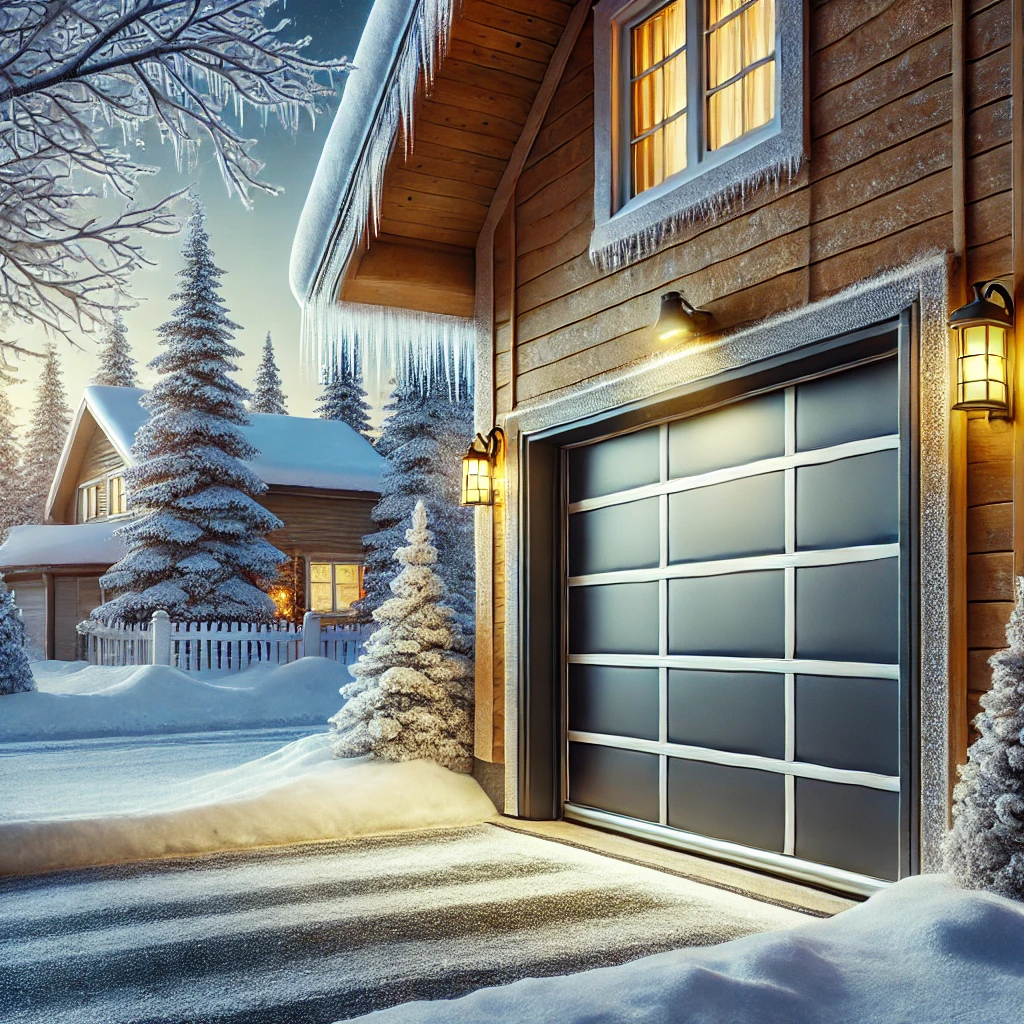
In Clinton, melting snow and ice are common. Install a slight slope on exterior thresholds where possible, and use durable drip edges or flashing above the header to deflect runoff. Also inspect and direct roof and gutter water away from the garage door opening.
7. Maintain the opener and ventilation
Weatherproofing includes the mechanical side. Choose an opener with sealed connectors and protect motor housings from moisture. Also allow controlled ventilation—sealed doors can trap humidity; vents or a dehumidifier may be needed for certain attached garages.
Practical checklist for homeowners
- Confirm the opening is square before installation.
- Specify the R-value you need for energy goals.
- Ask for EPDM or silicone seals rated for seasonal swings.
- Install a threshold and test for even compression.
- Insist on sealed track penetrations and proper flashing.
- Schedule a post-install inspection after heavy rain or thaw.
Cost, timelines, permits, and warranty notes
Price for a weatherproofed garage door installation varies by door type, insulation level, and site prep. Typical ranges in NJ for a properly weatherproofed residential install start with basic steel insulated doors at a lower cost and rise for high-R-value polyurethane doors, premium seals, and flashing work. Expect a clear written estimate that lists materials and labor.
Most residential garage door installation projects take one day for standard replacements when no structural repairs are needed. If framing, threshold repairs, or permit work is required, add one to three days depending on contractor scheduling.
Check with your township for any required building permits for door openings or header replacements. Many towns in Hunterdon County require a simple permit for structural changes; installers should advise you ahead of time.
Warranty varies by manufacturer and installer. Ask for both product and workmanship warranties in writing. Weatherproofing components such as seals and thresholds may have separate coverage.
How to choose a contractor for garage door installation in Clinton
Hire a contractor who documents the weatherproofing steps they will take during garage door installation. Look for local experience—someone familiar with NJ freeze-thaw cycles and heavy spring storms. Ask for references and photos of past weatherproofed installs.
To read articles on seasonal maintenance and real project examples, visit our blog. For a full list of offerings and specifications, see our services page. Ready to schedule an inspection or get a quote? Use our contact page and we’ll respond with a local appointment.
Quick tips for after installation
- Test door seals after the first heavy rain or snowmelt.
- Clear debris and check threshold compression seasonally.
- Lubricate moving parts as recommended by the installer.
- Monitor for drafts or moisture and address small gaps promptly.
Final thoughts
Weatherproofing is not an optional add-on for garage door installation—it’s a necessary part of a durable, efficient garage. Proper materials, attention to the opening, and local expertise make the difference between a door that functions briefly and one that protects your home for years. If you own a home in Clinton, NJ, plan your garage door installation with weather in mind to avoid costly repairs later.
Frequently Asked Questions
Do I need a permit for a new garage door installation in Clinton, NJ?
Permits are often required if the installation alters the structural header or changes the opening size. For a like-for-like replacement you may not need a permit. Check with your township building department and have your installer provide documentation if a permit is required.
How long does a weatherproofed garage door installation take?
Most standard residential garage door installations that include weatherproofing take one full day when the opening is sound. If framing repairs, threshold replacement, or permitting are needed, expect an additional 1–3 days.
What price range should I expect for a weatherproofed installation in NJ?
Basic insulated steel doors with proper seals start at lower price points; higher-R-value doors and premium sealing work increase cost. Request a written estimate listing door model, R-value, seals, threshold, and labor to compare quotes accurately.
Does weatherproofing affect my warranty?
Manufacturer warranties cover door components; workmanship warranties cover installation. Weatherproofing components sometimes have separate coverage. Get all warranty terms in writing before the job starts.
How do you prevent water entry during heavy spring thaws?
We use a combination of a raised threshold, a compressible bottom seal, header flashing, and proper exterior drainage to deflect meltwater. After installation we test with a water check to confirm no leaks.
Helpful local resources in Clinton, NJ
- Garage Door Repair Hoboken
- Garage Door Repair Montclair
- Garage Door Repair Westfield
- Garage Door Repair Summit
- Garage Door Repair Maplewood
- Garage Door Repair Livingston
- Garage Door Repair Short Hills
- Garage Door Repair Princeton
- Garage Door Repair Red Bank
- Garage Door Repair Morristown
- Garage Door Repair Chatham
- Garage Door Repair Mendham
- Garage Door Repair Bernardsville
- Garage Door Repair Bedminster
- Garage Door Repair Clinton
- Garage Door Repair Tenafly
- Garage Door Repair Ridgewood
- Garage Door Repair Upper Saddle River
- Garage Door Repair Wyckoff
- Garage Door Repair Basking Ridge
- Garage Door Repair South Orange
- Garage Door Repair Teaneck
- Garage Door Repair Fort Lee
- Garage Door Repair East Brunswick
- Garage Door Repair Montvale
- Garage Door Repair Haddonfield
- Garage Door Repair Marlboro
- Garage Door Repair Cranford
- Garage Door Repair Voorhees
- Garage Door Repair North Caldwell